The Art of Choosing
Your Perfect Ruby
Part II — Form, care, and the decisions that make a ruby truly yours
Knowing what a ruby is — its fire, its history, its rarity — is only the beginning. The deeper question is a personal one: which ruby, in which form, for which life? The answer is never simply about the stone. It is about understanding how a piece will be worn, what it will mean, and why it will last.
Ruby in Fine Jewellery: Choosing Your Form
Ruby is a stone that adapts without diminishing. It holds its authority whether set as a centrepiece or woven into a more intricate composition. But each jewellery form draws out a different aspect of its character — and the right choice depends on the person wearing it as much as the stone itself.
Rings
A ruby ring is an act of declaration. Worn on the hand — always visible, always present — it speaks of passion that is both enduring and unambiguous. For those who choose meaning over convention, it is the natural form. As a solitaire it commands; surrounded by diamonds it achieves perfect equilibrium between fire and light.
Necklaces
Placed close to the heart, a ruby necklace carries a different kind of intimacy. Whether a single stone on a fine chain or a more elaborate setting, it radiates from the centre outward — elegant in stillness, arresting in movement. It does not ask for attention. It simply receives it.
Earrings
Ruby earrings offer what the finest jewellery always offers: presence without effort. They frame the face with warmth, catching light in a way that feels less ornamental and more essential. A refined statement — subtle in movement, considered in effect.
Bracelets
There is a particular pleasure in jewellery that only you are fully aware of — worn against the wrist, glimpsed in motion, felt more than seen. A ruby bracelet is that kind of piece. Quiet luxury in its truest expression: an intimate gesture of sophistication worn without announcement.
When ruby is paired with diamonds, the result is not contrast but conversation. The cool brilliance of diamond steadies ruby’s warmth. Together they achieve what neither accomplishes alone: a piece that is both electric and composed.
The right piece does not complete an outfit. It completes an intention.
How to Choose: What to Look For
The process of choosing a ruby is not a transaction — it is a conversation between you and the stone. Certain things can be measured and verified. Others must simply be felt. A knowledgeable buyer knows how to read both.
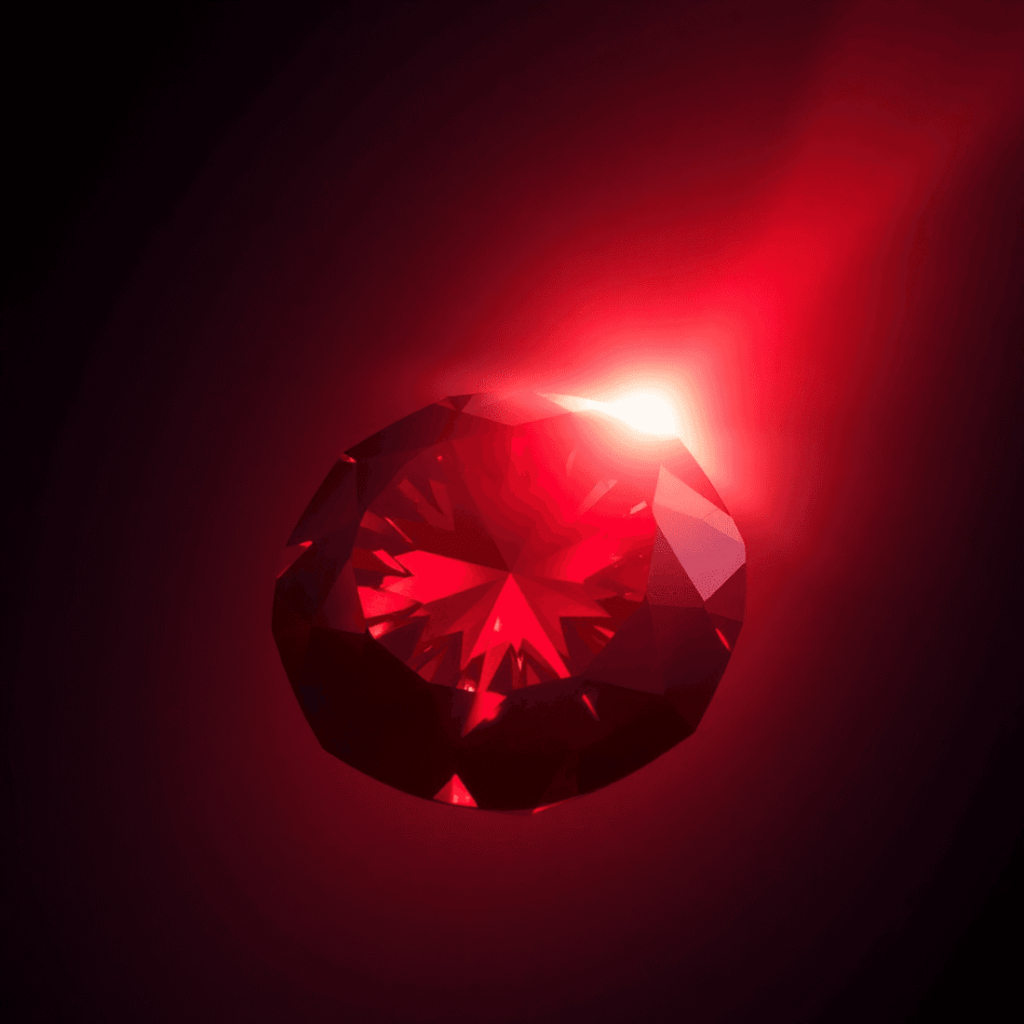
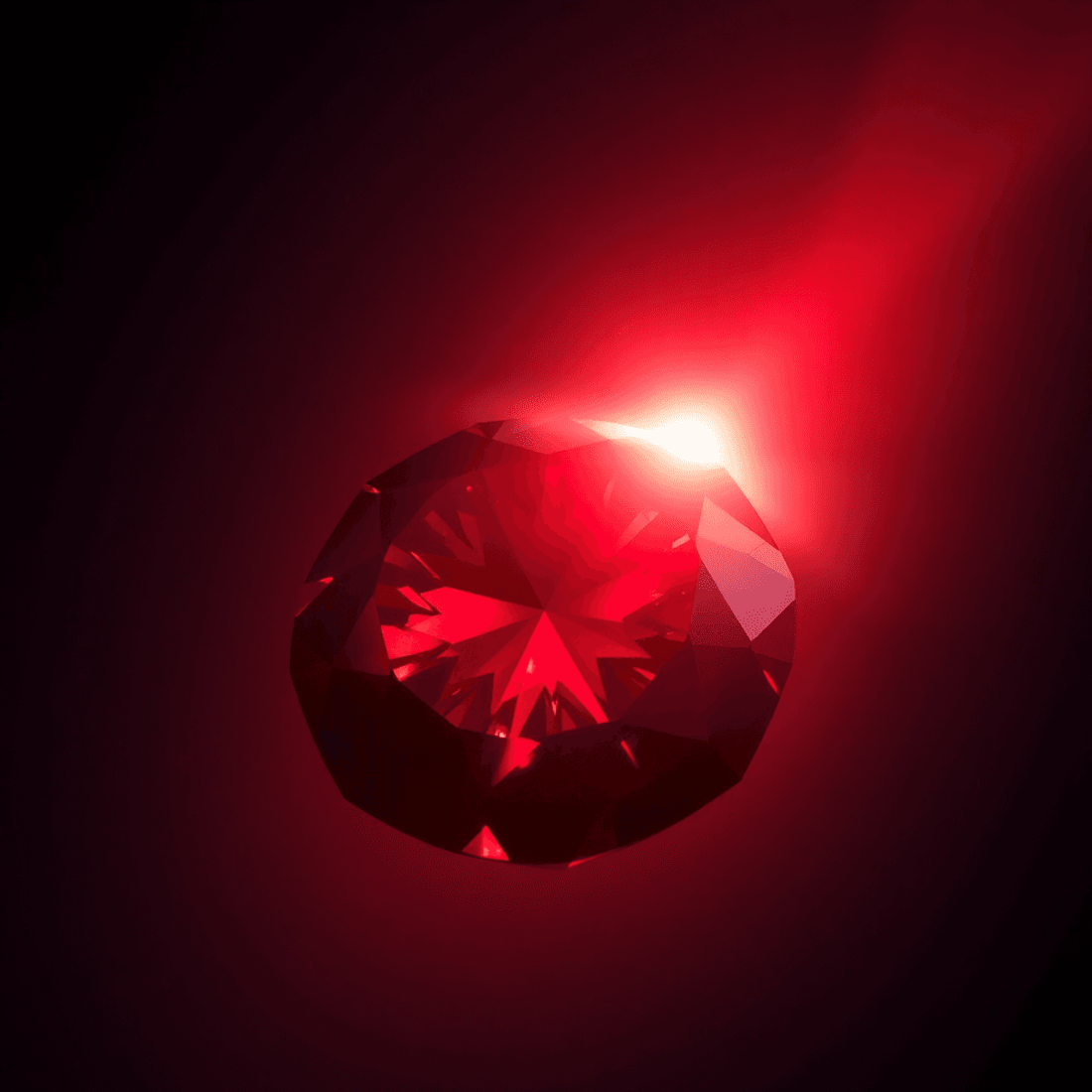
Begin with colour. It is the defining characteristic of any ruby and the first thing a trained eye assesses. The ideal sits in a precise range — vivid and saturated, neither so dark it becomes opaque nor so light it reads as pink sapphire. Examine the stone in different lighting: natural daylight reveals its truest hue; warm light reveals its warmth.
Understand what inclusions mean. Unlike diamonds, where clarity is a primary value driver, inclusions in rubies are expected and, in certain cases, desirable. The silk — fine rutile needles within the stone — can create a soft, luminous glow called asterism in some specimens. What matters is whether inclusions affect the stone’s structural integrity or interrupt its colour. A few inclusions that enhance light diffusion are not a flaw. A fracture that reaches the surface is.
Ask about treatment. The majority of rubies on the market have been heat-treated to improve colour and clarity — a widely accepted, industry-standard practice that does not diminish a stone’s value when disclosed honestly. What matters is transparency. Any reputable jeweller will tell you precisely how a stone has been treated and what that means for its care and long-term value.
Consider provenance. A ruby with a verified origin — particularly from Burma or Mozambique — carries a premium that is more than sentimental. Origin affects character: the iron-rich geology of Thailand produces a different stone than the chromium-saturated deposits of Mogok. When provenance is certified by a recognised gemological laboratory, it becomes part of the stone’s permanent record.
Caring for Ruby: Preserving the Fire
Ruby is among the most durable gemstones in existence — a 9 on the Mohs scale, surpassed only by diamond. But durability is not invulnerability, and a stone worn across generations deserves the attention that heirloom objects require.
Ruby Care — What to Know
- Cleaning at home Warm water, a drop of mild soap, and a soft-bristled brush — applied gently, rinsed thoroughly. Dry with a lint-free cloth. This is sufficient for regular maintenance and safe for untreated and heat-treated stones alike.
- Ultrasonic cleaners Safe for untreated rubies and most heat-treated stones. However, if a ruby has been fracture-filled — a more intensive treatment using glass or resin — ultrasonic cleaning can cause damage. When in doubt, ask your jeweller before proceeding.
- Chemicals to avoid Chlorine, bleach, and harsh household cleaners can damage both the stone and its setting over time. Remove ruby jewellery before swimming, cleaning, or applying perfume and cosmetics.
- Storage Store separately from other pieces, ideally in a fabric-lined box or individual pouch. Though ruby is harder than most stones, it can scratch softer gems — and can itself be scratched by diamonds.
- Professional care Have your piece inspected and professionally cleaned once a year. A jeweller will check the setting for wear, ensure prongs are secure, and polish the metal to restore its finish. Consistent maintenance is what transforms a fine piece into a lasting one.
A well-cared ruby does not merely survive the years. It deepens with them — accumulating the particular warmth of a stone that has been worn, loved, and handed forward. This is what an heirloom is: not simply an object of value, but an object of time.
To wear ruby is to carry fire — and fire, tended carefully, never truly goes out.
The CAROB Perspective
In the Chettiar tradition, jewellery was never bought lightly — and never bought only for today. Each piece was chosen with an understanding that it would outlast its first wearer, that it would pass through hands and decades and carry something of each person forward. The ruby, more than almost any other stone, is suited to that kind of longevity. It does not date. It does not soften. It remains.
At CAROB, we design with that continuity in mind. A ruby piece is not a seasonal acquisition. It is a considered decision — one that deserves the same rigour and patience the stone itself required to form. We work only with stones whose provenance is verified, whose treatment is disclosed, and whose character is genuine.
The question we always return to is simple: will this piece still feel right in twenty years? In forty? If the answer is yes — and with a true ruby, it usually is — then it is worth every consideration it demands.
The Ruby Collection
Each piece chosen for permanence, crafted for the person who knows exactly what they want — and why.
Discover the CollectionThe Precious You Deserve. — CAROB
I